

Alternatives to Hostim.dev
Hostim.dev simplifies Docker app deployment with built-in databases on reliable, GDPR-compliant EU infrastructure.
Explore 20 alternatives to Hostim.dev. Compare features, pricing, and find the best fit for your needs.

Enlisted
Search 20,000+ open-source and SaaS tools by the job you need done or the app you want to replace.

MD to Text Converter
Free online Markdown to text converter. Strip formatting, copy readable plain text instantly, and keep every conversion private in your browser.
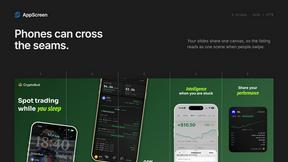
AppScreen
App Store screenshots, designed as one panorama. Lay out all your slides on one continuous canvas in your browser. Free to start, Pro is $9 once.
Egmatic
No-code 2D game editor: visual node logic, drag-and-drop scenes, live preview. Exports to Windows, macOS, Linux, Android, iOS, Web.
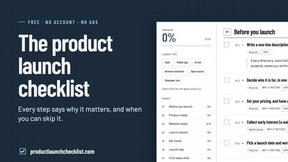
Product Launch Checklist
A free launch checklist for SaaS, apps, AI tools and more. Every step says why it matters and when you can skip it.

layahost
Moderation, routing, intent and scoring for any text over one Jev-compatible API, hosted in the EU.
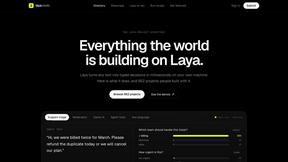
laya.tools
A free directory of 950+ projects built on Laya, the open-source decision model. Updated daily.

Built2WinWeb AI Tools
High-performance custom PHP websites, ecommerce stores, and AI discovery infrastructure that make your site readable by AI.
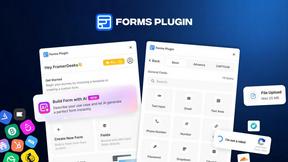
Forms Plugin
The #1 Native Form Builder Plugin for Framer - No Code, No Embeds, No External Platforms.
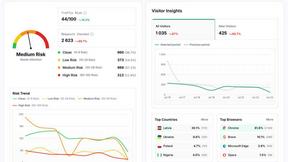

Video2URL
Turn videos, images, and files into secure direct links for sharing, embedding, and automated workflows.
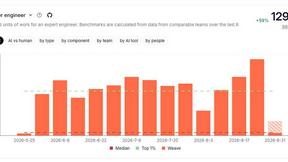
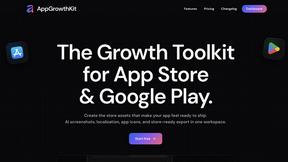
AppGrowthKit
The Growth Toolkit for App Store & Google Play. Create the store assets that make your app feel ready to ship.
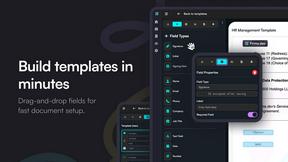
Firma.dev
Pay-as-you-go e-signature API and no-code sending. €0.049 per envelope, no monthly minimums, legally valid in 55+ countries.
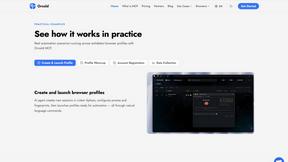
Ornold
Ornold MCP lets AI agents control Chromium and antidetect browsers: click, type, read screens, record workflows, replay profiles without scripts.
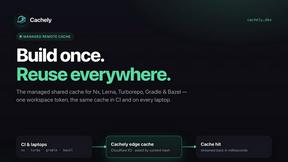
Cachely
Managed remote build cache for Nx, Lerna, Turbo, Gradle, and Bazel. Reuse artifacts across CI and developer machines.
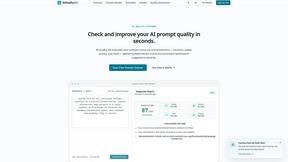
AIQualityHQ
AIQualityHQ is a free browser-based tool that instantly evaluates your AI prompts for structure, safety, privacy, and accuracy.
About Hostim.dev Alternatives
Hostim.dev is a bare-metal Platform-as-a-Service (PaaS) designed to provide developers with a straightforward way to deploy Docker applications on EU-hosted infrastructure. It focuses on simplifying the deployment process while ensuring that developers retain control over their applications and the environment they run in. Many users seek alternatives to Hostim.dev due to varying needs related to pricing, specific features, or preferred cloud platforms. Understanding what to look for when selecting an alternative is essential; users should consider aspects such as ease of use, the extent of automation, compliance with regulations, and available integrations that align with their existing workflows. When evaluating alternatives, it’s also important to assess the level of support provided, the scalability of the platform, and the overall performance of the services offered. Users should prioritize platforms that minimize the complexity of deployment and infrastructure management while maximizing security and reliability. Ultimately, the right alternative should empower developers to focus on building their applications rather than getting bogged down by infrastructure challenges.
FAQs about Hostim.dev Alternatives
What is Hostim.dev?
Hostim.dev is a bare-metal Platform-as-a-Service (PaaS) that simplifies the deployment of Docker applications with built-in databases on EU-hosted infrastructure.
Who is Hostim.dev for?
Hostim.dev is designed for developers who want to quickly deploy containerized applications without the overhead of managing infrastructure.
Is Hostim.dev free?
No, Hostim.dev operates on a predictable, flat pricing model, which eliminates unexpected charges commonly associated with large cloud providers.
What are the main features of Hostim.dev?
Main features include simple deployment from Docker or Git, built-in managed databases, persistent storage, and automated orchestration of services.