

Alternatives to Analook
Analook delivers a free, instant competitor analysis from any URL, pulling real data across SEO, traffic, and social channels to reveal what drives.
Explore 20 alternatives to Analook. Compare features, pricing, and find the best fit for your needs.
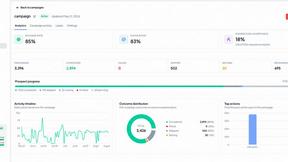
OutreachGenie
Plan and review LinkedIn prospecting, outreach flows, post previews, and campaign progress in one workspace.
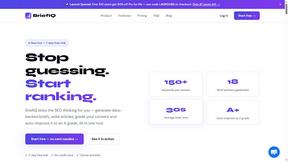
BriefIQ
BriefIQ is an AI-powered SEO content platform that helps marketers, freelancers and agencies research keywords, generate SEO content briefs, write art

Ideogram Studio
Create text-perfect logos, posters, ads, packaging, and ecommerce visuals with Ideogram 4 workflows, references, and API tools.

Wan Video
Create Wan AI videos from text, images, references, or clips with Wan 2.7 workflows, task tracking, cost estimates, and API access.

ContextBolt SEO
Research keywords, competitors, backlinks and AI visibility inside Claude or Codex, with findings saved to your SEO dashboard.

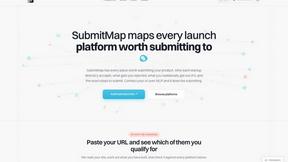
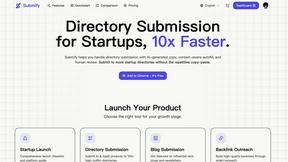
SubmitMap
A directory of launch platforms: who each accepts, what disqualifies you, and how to submit. Free to read, and your agent can do the submitting.
ASOGrade
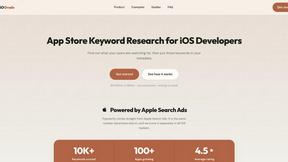
Score App Store keywords by real search demand and per-storefront difficulty across all 109 App Store markets.
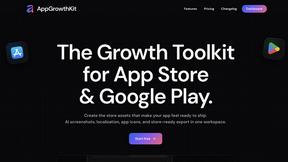
AppGrowthKit
The Growth Toolkit for App Store & Google Play. Create the store assets that make your app feel ready to ship.
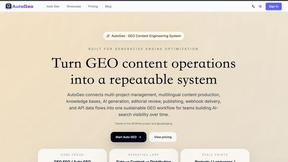
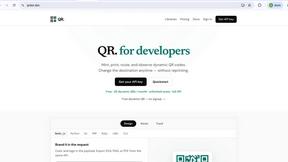

MenuForma
Turn any menu into a QR ordering system with multilingual support and Google review collection
About Analook Alternatives
Analook is a competitive intelligence tool designed for SaaS founders, growth consultants, and indie hackers who need fast, affordable insights into their competitors. It falls squarely into the marketing and competitive analysis category, automating the process of gathering data from over 15 sources—including SEO keywords, social media activity, pricing structures, and historical positioning—into a single report delivered in about 60 seconds. The tool was built specifically to democratize competitor research, making it accessible without the high monthly fees of traditional enterprise platforms like Ahrefs or Crayon. Users commonly look for alternatives to Analook for a few practical reasons. The most frequent driver is pricing, as some teams need more than the 30 reports per month offered on the Pro plan without jumping to a much higher tier. Others may require deeper integration with their existing tech stack, such as direct CRM or analytics platform connections, or need specialized data sources that Analook does not cover, like local SEO data or industry-specific databases. When choosing an alternative, the key is to evaluate your actual reporting volume, the specific data sources you rely on most, and whether you need real-time monitoring versus periodic snapshot reports. Also consider the learning curve—some tools offer more data but with a steeper setup process, while others prioritize simplicity and speed. The best fit balances cost, data depth, and the ability to act on the insights without getting bogged down in complexity.
FAQs about Analook Alternatives
What is Analook?
Analook is a free AI-powered competitive analysis tool that generates a complete competitive intelligence report in about 60 seconds. You simply enter a competitor's URL, and it pulls insights from over 15 data sources, including SEO keywords, traffic estimates, social media presence, Product Hunt history, and pricing structure analysis. It is designed to provide strategic insights without the high cost of traditional enterprise tools.
Who is Analook for?
Analook is built for SaaS founders, growth consultants, and indie hackers who need competitive insights but do not want to pay the high monthly fees of tools like Ahrefs or Crayon. It is particularly useful for early-stage startups and small teams that need fast, actionable data to understand their market position. The tool is also designed for users who prefer a straightforward, no-frills interface over complex enterprise dashboards.
Is Analook free?
Yes, Analook offers a free tier that includes two reports per month with no credit card required. For users who need more frequent analysis, there is a Pro plan available for $29 per month, which provides 30 reports. This makes it an affordable option for teams that need regular competitive monitoring without a large budget.
What are the main features of Analook?
Analook provides insights from over 15 data sources, including SEO keywords and traffic estimates via DataForSEO, social media presence across Twitter, GitHub, Reddit, and YouTube, and Product Hunt launch history. It also analyzes Google Trends peaks, Wayback Machine positioning evolution, and pricing structures. The report concludes with an AI-powered strategic verdict that identifies growth patterns and provides actionable recommendations.