MakerHunt vs TinyHunt
Side-by-side comparison to help you choose the right product.

MakerHunt
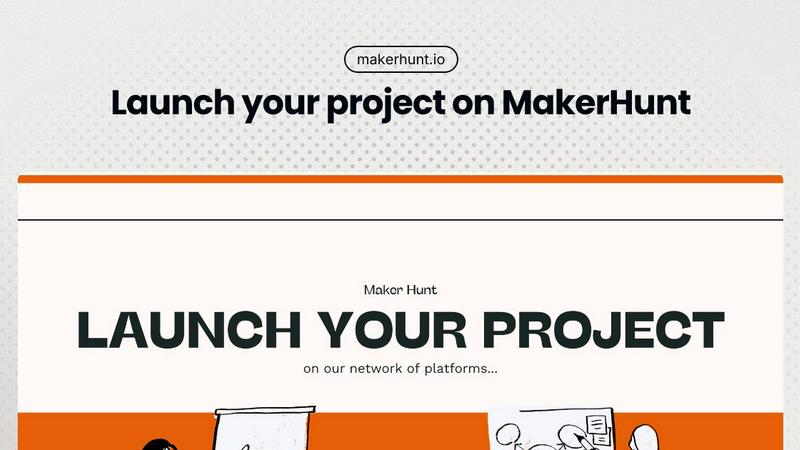
MakerHunt is a weekly platform where makers launch products to earn votes and reach early adopters.
Last updated: April 13, 2026

TinyHunt
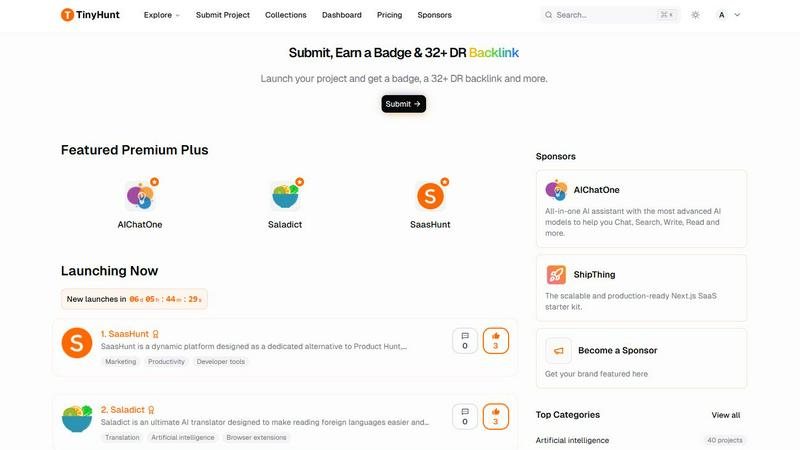
TinyHunt gives indie products a week of exposure to boost visibility and connect with potential users.
Last updated: March 1, 2026
Visual Comparison
MakerHunt
TinyHunt
Feature Comparison
MakerHunt
Weekly Product Launch
Each week, MakerHunt hosts a single, dedicated launch event. This focused approach ensures that every submitted product receives concentrated attention from the community. Makers submit their projects, which are then showcased to an audience specifically looking to discover and try new tools. This weekly rhythm creates a reliable and predictable opportunity for exposure, moving away from the chaos of launching into a void and towards a structured system designed for discovery.
Real User Votes and Feedback
A cornerstone of the MakerHunt platform is the collection of genuine feedback through user votes. When a product is featured in the weekly hunt, early adopters and fellow makers can explore it and cast their vote. This process generates tangible, organic validation. The votes and associated comments provide creators with direct insight into what resonates with users, what problems their product solves, and where there might be room for improvement, all from a real audience.
Premium Spotlight Placement
Beyond the standard weekly launch, MakerHunt offers a Premium Spotlight feature. This is a highlighted, featured post that gives a product premier placement on the platform for greater visibility. This option is designed for makers who want to maximize their launch impact, ensuring their project stands out at the top of the page and reaches the broadest possible segment of the MakerHunt community right from the start.
Comprehensive Project Directory
The platform maintains an organized archive of all past launches through its "Past Hunts" section and a browsable directory sorted by "Top Categories." This allows anyone to explore historical launches, study trends, and gain insights into what kinds of products are being built. For makers, it serves as a valuable research tool. For early adopters, it is a permanent discovery engine for finding tools long after their initial launch week.
TinyHunt
Curated Showcase
TinyHunt operates as a carefully curated showcase, highlighting new and innovative products each week. This ensures that each feature receives the attention it deserves, allowing users to explore fresh offerings regularly.
Dedicated Stage for Makers
The platform offers a dedicated stage for small-scale creators, enabling indie developers and solo entrepreneurs to gain visibility in a crowded digital space. This focus on tiny businesses helps them stand out and connect with interested users.
Time-Bound Visibility
Each featured product remains visible for a week, providing a structured timeframe for discovery. This time-bound approach encourages active engagement from users looking for innovative tools while giving creators a concentrated window to attract attention.
Community-Driven Feedback
TinyHunt fosters a community-focused environment where users can provide feedback on featured products. This interaction not only helps creators improve their offerings but also enhances user experience by tailoring tools to meet real needs.
Use Cases
MakerHunt
Validating a New Product Idea
A solo developer has built a prototype for a new productivity tool but is unsure if it addresses a real need. By launching on MakerHunt, they can present their minimum viable product to a tech-savvy audience. The votes and feedback collected provide direct, early validation, helping them understand if they are on the right track before investing further time and resources into development.
Gaining Initial Traction and Users
A small startup is ready to release its SaaS platform but lacks a marketing budget. Launching on MakerHunt provides an immediate channel to reach its first users. The platform's community of early adopters is actively seeking new tools to try, offering a perfect environment to secure those crucial first sign-ups and build initial momentum.
Conducting Market and Competitor Research
An entrepreneur planning a new project in the AI tools category can use MakerHunt's directory and past launches as a research database. By browsing the "Top Categories" and reviewing past hunts, they can analyze what similar products have launched, observe community reception, and identify potential gaps or opportunities in the market.
Building Backlinks and SEO Authority
Products that perform well in the weekly hunt, particularly those that finish in the top three, earn badges and valuable dofollow backlinks from the MakerHunt domain. For any new website, these quality backlinks are essential for improving search engine ranking and domain authority, providing a long-term SEO benefit from the launch activity.
TinyHunt
Discovering New Tools
Users can explore TinyHunt to find innovative software solutions that can enhance their workflow. Each week, they can discover new products that cater to their specific needs, streamlining their search for effective tools.
Gaining Targeted Traffic
For small-scale creators, TinyHunt serves as a valuable channel to attract targeted traffic. By showcasing their products to an audience actively seeking new tools, they can increase their visibility and potential user base.
Receiving Constructive Feedback
Makers can utilize TinyHunt to gather constructive feedback from users about their products. This feedback loop is essential for refining offerings, ensuring that tools are aligned with user expectations and requirements.
Building Authority and Backlinks
TinyHunt provides makers with authoritative backlinks as part of their featured listings. This feature is crucial for enhancing SEO and improving the overall visibility of their products in search engine results.
Overview
About MakerHunt
MakerHunt is a fundamental launch platform designed for creators, developers, and entrepreneurs. At its core, it provides a structured, weekly event where makers can introduce their new software products, tools, or services to an engaged audience of early adopters. The platform operates on a simple principle: one focused launch period per week where products are presented, voted on, and reviewed by real users. This process cuts through the noise of constant online promotion, offering a clear and predictable path to initial visibility and validation. MakerHunt is built for anyone building something new, from solo indie hackers and small startups to professionals in larger teams seeking authentic early feedback. Its main value proposition is delivering clarity and real user engagement, helping builders move from idea to launched product with concrete insights instead of guesswork, all within a supportive community of peers.
About TinyHunt
TinyHunt is an innovative platform designed to spotlight small-scale digital products and their creators, providing them with a unique opportunity for discovery in a marketplace often dominated by larger entities. The core idea of TinyHunt is to create a dedicated space where indie developers, tiny businesses, and solo entrepreneurs can showcase their work. Each week, the platform features a curated selection of promising projects that are prominently displayed for a week, ensuring that creators receive focused attention from users who are actively seeking new and useful tools. This systematic approach not only helps users discover practical software that can enhance their productivity but also provides makers with targeted traffic, valuable feedback, and authoritative backlinks, which are crucial for early-stage growth. TinyHunt connects builders with their ideal early adopters, fostering a thriving community of innovation and creativity.
Frequently Asked Questions
MakerHunt FAQ
How much does it cost to launch a product on MakerHunt?
Launching a product on MakerHunt follows a simple, transparent pricing model. It costs a one-time fee of $19 per launch submission. There are no monthly subscriptions or hidden fees. This fee secures your product's entry into the weekly hunt where it will be voted on by the community.
What do I get if my product wins the weekly hunt?
The top three products with the most votes in each weekly hunt are awarded winners' badges for their profile. More importantly, they receive dofollow backlinks from the MakerHunt website to their product's site. These backlinks are significant for improving your website's search engine visibility and domain authority.
What is the difference between a standard launch and a Premium Spotlight?
A standard launch enters your product into the weekly competition where it appears in the main list alongside other submissions. A Premium Spotlight is a paid, featured placement that gives your product prominent visibility at the top of the MakerHunt page before the weekly hunt list, ensuring maximum exposure to all visitors from the moment they arrive on the site.
Can I browse and use MakerHunt without launching a product?
Absolutely. MakerHunt is also a discovery platform for early adopters, investors, and other makers. Anyone can browse the current week's hunt, explore past launches, and filter products by top categories like Artificial Intelligence or Productivity to find new and useful tools. Participation through voting and feedback is encouraged.
TinyHunt FAQ
How does TinyHunt select which products to feature?
TinyHunt employs a curated approach to showcase products, focusing on quality and innovation. The selection process involves evaluating submissions based on their uniqueness, relevance, and potential value to users.
Can I submit my product to TinyHunt?
Yes, creators can submit their products to TinyHunt for consideration. The platform encourages indie developers and small businesses to showcase their work and gain visibility among a targeted audience.
What benefits do featured products receive on TinyHunt?
Featured products gain concentrated visibility for a week, targeted traffic from interested users, constructive feedback from the community, and valuable backlinks that enhance their online authority.
Is there a cost associated with submitting a product to TinyHunt?
TinyHunt operates on a model that allows creators to submit their products without upfront costs. The platform focuses on fostering a supportive community for small-scale creators and their offerings.
Alternatives
MakerHunt Alternatives
MakerHunt is a weekly launch platform in the category of product discovery and validation tools. It provides a structured environment for makers to introduce their products, collect votes, and connect with an audience of early adopters. This focused approach helps builders gain clarity and real user feedback during their launch phase. Users often explore alternatives to a service like MakerHunt for several fundamental reasons. These can include budget considerations, as some may seek a free option or a different pricing model. Others might require a platform with a different launch frequency, a larger existing community, or a broader set of promotional features beyond a simple weekly hunt structure. When evaluating different launch platforms, it is wise to consider a few core elements. First, assess the platform's primary audience and whether it aligns with your target users. Next, examine the type of feedback and exposure offered, such as detailed reviews versus simple voting. Finally, clearly understand the cost structure and what specific outcomes you can expect for your investment.
TinyHunt Alternatives
TinyHunt is a platform designed to spotlight indie products, giving them a dedicated space for visibility in a crowded digital marketplace. It caters specifically to small-scale businesses, indie developers, and solo entrepreneurs, allowing them to showcase their innovative solutions for a full week. Users often seek alternatives to TinyHunt due to various reasons, such as pricing structures, specific features that may better suit their needs, or the desire for platforms that cater to different categories of products. When considering alternatives, it is essential to evaluate aspects such as the breadth of exposure offered, the quality of curation, and the community engagement that each platform fosters.