Deeploy vs Fusedash
Side-by-side comparison to help you choose the right product.

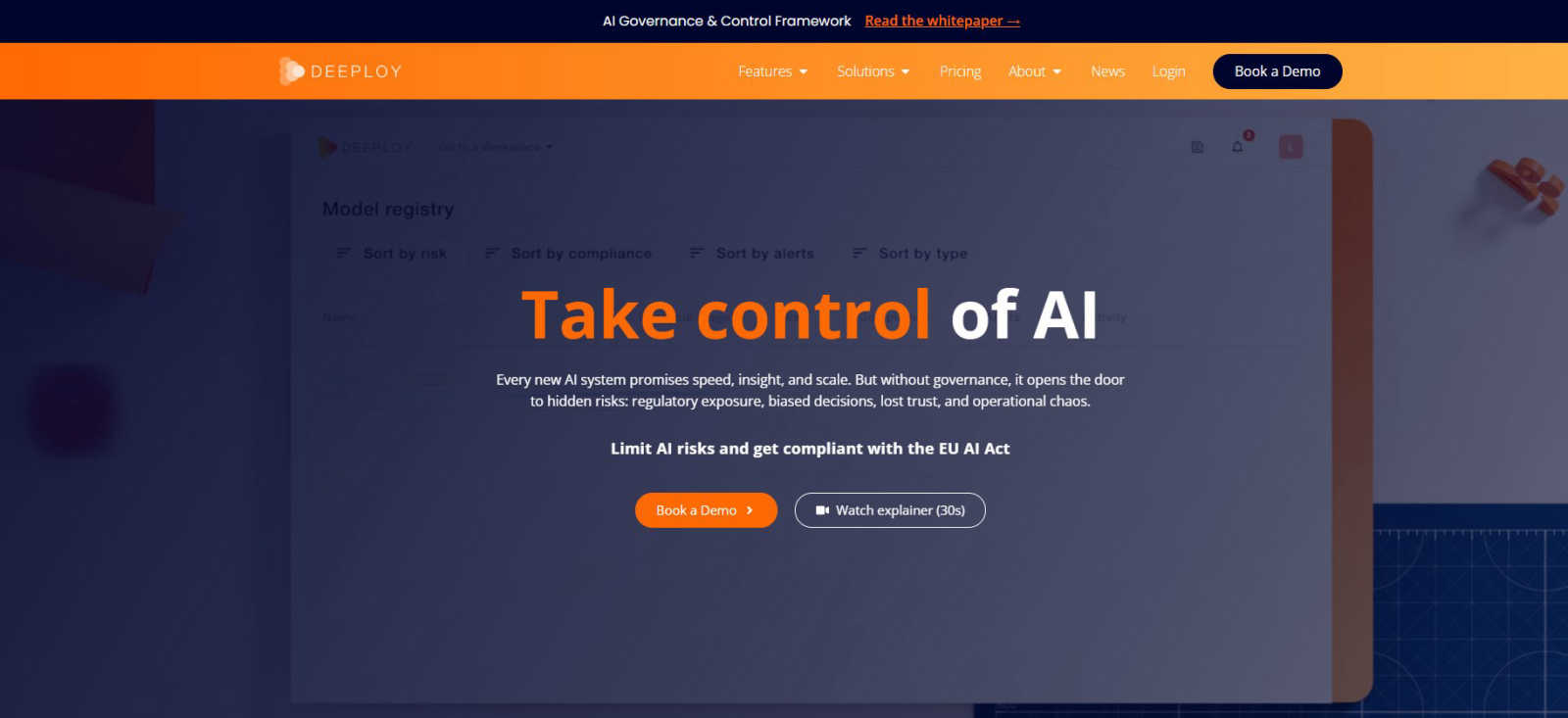
Deeploy provides essential governance to safely manage and scale your AI systems.
Last updated: March 1, 2026

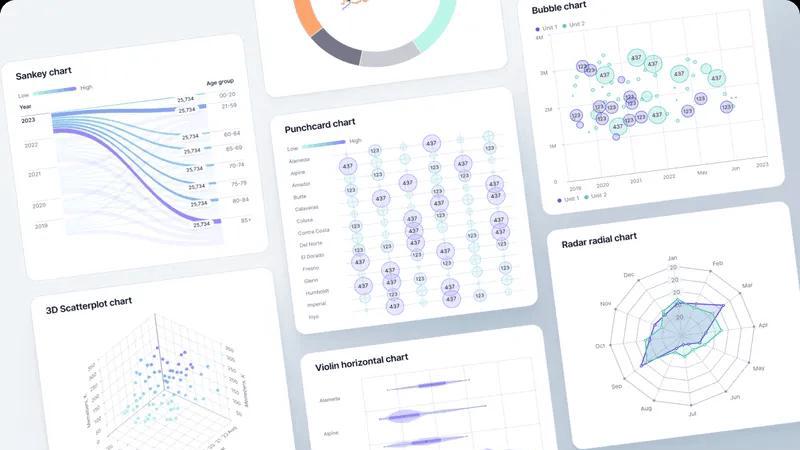
Fusedash transforms raw data into intuitive dashboards and charts, enabling your team to act on insights swiftly.
Last updated: March 4, 2026
Visual Comparison
Deeploy
Fusedash
Feature Comparison
Deeploy
AI Discovery and Onboarding
This feature provides the essential first step of governance: complete visibility. It allows organizations to discover, onboard, and manage every AI system from a single interface. By connecting to existing MLOps or GenAI platforms, it eliminates blind spots without forcing painful migrations. This creates a centralized inventory and documentation hub, which is the foundational layer for all subsequent governance and control activities, ensuring no AI system operates in the shadows.
Control Frameworks
Deeploy simplifies regulatory compliance by providing structured, guided workflows. Organizations can choose from default frameworks based on major standards like ISO 42001 and the NIST AI RMF, or build custom ones tailored to their specific needs. This feature helps teams classify AI system risk levels in minutes and establishes clear accountability through defined approval processes. It turns complex regulatory requirements into a manageable, straightforward path to compliance.
Control Implementation
This feature translates governance policies into enforceable, practical actions for engineering teams. It gives developers clear and actionable requirements for each AI system, avoiding vague guidelines. Compliance is accelerated by up to 90% through the use of pre-built templates and the automatic collection of audit evidence. Furthermore, it employs AI-powered assessments to handle repetitive compliance checks, making governance a seamless part of the development workflow.
Real-Time Monitoring
Proactive risk prevention is achieved through continuous, real-time monitoring of AI performance in production. The system provides instant alerts for critical issues like model drift, performance degradation, or output anomalies, allowing teams to act before users are impacted. It also adds crucial tracing and guardrails to protect Large Language Model (LLM) outputs, ensuring AI systems behave as intended and remain compliant with safety standards over time.
Fusedash
Flexible Views
Fusedash provides a versatile platform where users can create tailored dashboard views for different audiences. This feature enables stakeholders to visualize the data in formats that are most relevant to them—whether through dashboards, charts, maps, or narrative reports. By allowing teams to customize layouts, filters, and time ranges, Fusedash ensures that everyone sees the information that matters most without unnecessary back and forth.
AI Chart Generator
The AI Chart Generator feature allows users to quickly create clear and engaging visuals from their datasets, whether sourced from CSV files or APIs. In mere minutes, users can select the appropriate chart type, apply comparisons, and refine labels, ensuring that each chart effectively communicates the intended story. This tool not only accelerates visual creation but also facilitates the reuse of charts across different dashboards and reports.
Dashboard Software
Fusedash offers a comprehensive workspace for both dashboards and reports, integrating performance views with contextual storytelling. This feature ensures that users can monitor key performance indicators while also understanding the narratives behind the data. By providing a seamless blend of visuals and insights, teams can maintain alignment and reduce discrepancies in reporting.
AI Chat
The AI Chat functionality enables users to interact with their data in a conversational manner. By asking questions in plain language, users can swiftly explore breakdowns and receive intelligent suggestions for the best metrics and visualizations. This interactive feature not only makes data exploration more intuitive but also allows users to transform insights into shareable dashboard views quickly.
Use Cases
Deeploy
Centralized AI Registry for Large Enterprises
Large organizations with AI scattered across different departments and vendors use Deeploy to create a single source of truth. This central registry provides executives and compliance officers with immediate oversight of all AI initiatives, documenting each system's purpose, risk classification, and owner. This foundational inventory is critical for audit readiness and strategic management of AI investments at scale.
Streamlining EU AI Act Compliance
Companies operating in or selling to the European Union leverage Deeploy to navigate the stringent requirements of the EU AI Act. The platform's guided workflows help them correctly classify their AI systems by risk level, implement the necessary controls, and automatically generate the documentation and evidence required to demonstrate compliance, significantly reducing legal and reputational risk.
Enabling Safe AI in Regulated Healthcare
Healthcare providers and technology firms, like mental health platform NiceDay, use Deeploy to deploy AI responsibly. The platform's explainability features and expert feedback loops are crucial for clinical settings. It allows professionals to understand AI-driven recommendations and provide oversight, ensuring patient safety and building the trust necessary to integrate AI into sensitive care pathways.
Accelerating Model Deployment with Governance
Data science and AI teams use Deeploy to accelerate their MLOps lifecycle while embedding governance from the start. The platform reduces model deployment time from weeks to hours while automatically applying the right monitoring and documentation controls. This gives technical teams the speed they need and provides non-technical stakeholders, like customer service or compliance, with the transparency they require.
Fusedash
Marketing Performance Monitoring
Marketing teams can leverage Fusedash to create dashboards that track campaign performance across multiple channels. By visualizing engagement metrics and conversion rates in real-time, teams can make informed decisions about where to allocate resources and which strategies to optimize.
Financial Reporting
Finance departments can utilize Fusedash to compile comprehensive financial reports that integrate data from various sources. With the ability to create interactive charts and narrative insights, stakeholders can easily grasp the financial health of the organization and identify areas for improvement.
Sales Pipeline Management
Sales teams can benefit from Fusedash by utilizing its visualization capabilities to monitor sales pipelines. By visualizing key metrics such as lead conversion rates and sales forecasts, teams can identify trends and adjust their strategies to maximize revenue.
Operations Performance Analysis
Operations teams can use Fusedash to analyze performance metrics across different departments. By creating dashboards that visualize operational efficiency and productivity, teams can pinpoint areas for enhancement and align their efforts towards achieving organizational goals.
Overview
About Deeploy
Deeploy is a foundational AI governance platform designed to give organizations complete control over their artificial intelligence systems. At its core, the product addresses a fundamental business challenge: how to harness the power of AI for transformation while systematically managing its inherent risks. It provides the essential infrastructure that is often missing from modern AI stacks, moving companies from a state of fragmented, ungoverned AI deployment to one of centralized oversight and compliance. Deeploy is built for technology, healthcare, finance, and other sectors where AI is critical to operations and subject to strict regulations like the EU AI Act. Its primary value proposition is enabling businesses to scale their AI initiatives faster and with greater confidence by implementing clear governance, reducing operational risk, and building necessary trust through transparency and documentation.
About Fusedash
Fusedash is an innovative AI-powered data visualization platform designed to streamline how teams analyze and present their data. By transforming connected data into insightful visual representations, Fusedash enables organizations to create decision-ready dashboards, interactive charts, detailed maps, and comprehensive narrative reports all within a single workspace. This unified approach eliminates the need to duplicate logic across various disconnected tools, driving consistency and efficiency. The core value proposition of Fusedash lies in its ability to allow users to define key metrics and KPIs just once, ensuring that everyone across the organization—from leadership to marketing to operations—accesses the same trusted data. This consistency helps teams move beyond tedious manual reporting cycles and conflicting narratives, empowering them to monitor real-time information while gaining insights into the reasons behind the data. With integrated AI features like natural language data chat and smart visualization assistance, Fusedash simplifies data exploration and reporting, turning raw data into a shared source of truth that fosters alignment and informed decision-making.
Frequently Asked Questions
Deeploy FAQ
What is AI governance and why is it important?
AI governance is the framework of policies, processes, and tools used to ensure AI systems are developed and used responsibly, ethically, and in compliance with regulations. It is important because as AI scales within an organization, the risks-scale too. Without governance, companies face potential legal penalties, reputational damage from AI failures, and operational inefficiencies. Governance draws the clear line between transformative innovation and unacceptable risk.
How does Deeploy handle different AI models and platforms?
Deeploy is designed for flexibility. It does not require you to migrate your existing AI models to a new platform. Instead, it connects to your current MLOps tools, cloud AI services, and GenAI platforms through integrations. This approach allows Deeploy to discover and onboard AI systems wherever they reside, providing a unified governance layer across your entire, diverse AI landscape without disrupting existing workflows.
Can Deeploy help with regulations beyond the EU AI Act?
Absolutely. While the EU AI Act is a key driver, Deeploy is built for a global regulatory environment. It includes default control frameworks based on international standards like ISO 42001 and the NIST AI Risk Management Framework. More importantly, it allows you to build custom control frameworks, meaning you can tailor the governance requirements to meet any regional, industrial, or internal corporate standard you need to follow.
Who within an organization should use Deeploy?
Deeploy serves multiple key roles. Compliance officers and risk managers use it to set policies and prove adherence. AI and engineering teams use it to understand and implement specific controls during development. Business leaders and product managers use the central registry and monitoring dashboards for oversight. Finally, auditors use the automated evidence trails for efficient reviews. It is a cross-functional platform for responsible AI scaling.
Fusedash FAQ
What types of data can I connect to Fusedash?
Fusedash allows users to connect a variety of data sources, including CSV files, APIs, and public datasets. This flexibility enables users to consolidate their data into a unified platform for comprehensive analysis and reporting.
How does Fusedash ensure data consistency across reports?
Fusedash promotes data consistency by allowing users to define key metrics and KPIs once. These definitions can then be reused across all dashboards, charts, and reports, ensuring that every team in the organization is referencing the same reliable data.
Can I customize the visualizations in Fusedash?
Yes, Fusedash offers extensive customization options for visualizations. Users can adjust layouts, filters, and time ranges to create tailored views that meet the specific needs of different stakeholders.
Is Fusedash suitable for non-technical users?
Absolutely. Fusedash is designed to be user-friendly and accessible, even for those without technical backgrounds. With features like AI Chat and the AI Chart Generator, users can easily explore data and create visualizations without needing advanced technical skills.
Alternatives
Deeploy Alternatives
Deeploy is a specialized software platform in the AI governance and business intelligence category. It helps organizations manage the compliance, risk, and oversight of their artificial intelligence systems, ensuring they meet regulatory standards like the EU AI Act. Users may explore alternatives for several common reasons. These can include budget constraints, the need for different or more niche features, or a requirement for a platform that integrates with a specific existing technology stack. The search for the right tool is a normal part of the software evaluation process. When choosing an alternative, focus on core needs. Key considerations should be the platform's ability to provide visibility into all AI models, support for relevant compliance frameworks, and features for implementing real controls. The goal is to find a solution that turns governance from a concept into an enforceable, operational practice.
Fusedash Alternatives
Fusedash is an AI-powered data visualization platform that falls under the categories of Analytics & Data and Business Intelligence. It enables teams to transform their raw data into clear, actionable insights through decision-ready dashboards, interactive charts, and detailed reports, all within a unified workspace. Users often seek alternatives to Fusedash for various reasons, including pricing concerns, specific feature requirements, or compatibility with existing platforms. When choosing an alternative, it's essential to consider factors such as ease of use, the ability to integrate with other tools, the quality of customer support, and the overall flexibility of the platform to meet your team's unique data needs.