
IPCONFIG
IPCONFIG offers essential tools for checking your IP address and testing global connection latency effortlessly.
Visit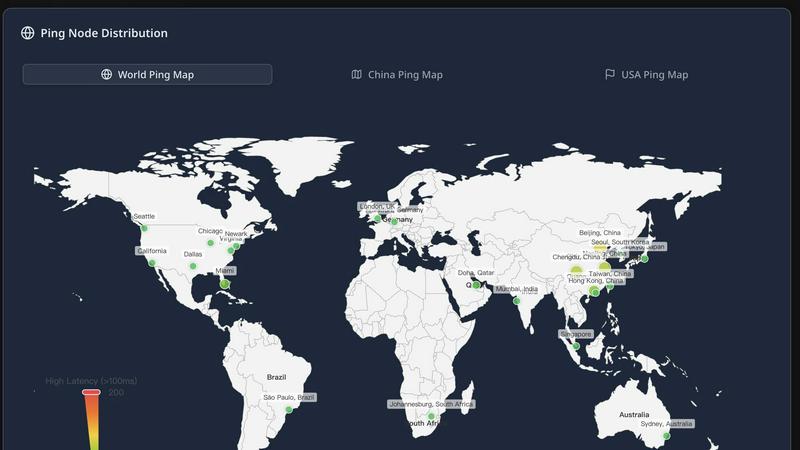
About IPCONFIG
IPCONFIG is an intuitive online networking utility platform designed to simplify the process of diagnosing and understanding network connections. It provides a suite of tools that cater to both casual users and professionals, enabling them to easily check their internet connection and gather essential networking data. The platform is fully web-based, which means there is no need for software installation, making it accessible from any device with an internet connection. Users can quickly find their public IP address, verify website accessibility from various geographical locations, and assess connection speeds. IPCONFIG's primary value proposition lies in its ability to demystify complex network information, allowing users to troubleshoot connectivity issues with clarity and confidence. Whether you are an everyday internet user or a seasoned developer, IPCONFIG equips you with the resources necessary to understand your network environment better, paving the way for a smoother online experience.
Features of IPCONFIG
IP Address Lookup
IPCONFIG offers a robust IP Address Lookup feature that allows users to instantly check their public IP address, including both IPv4 and IPv6 information. This feature also provides details about the user's Internet Service Provider (ISP) and geographic location. By supporting domain name resolution, users can easily see the IP location, timezone, and Autonomous System Number (ASN), giving them a comprehensive view of their network identity.
Global Network Latency Testing
With IPCONFIG, users can engage in Global Network Latency Testing across seven continents, utilizing over 20 test nodes. This feature enables users to assess their network's status and performance in real time, providing valuable insights into latency and connection reliability. It is particularly useful for diagnosing slow connections and optimizing network performance.
Ping Test
The Ping Test feature is designed to provide users with a quick and effective way to test the responsiveness of their network. Users can send ping requests to various nodes worldwide, helping them determine the speed and reliability of their internet connection. This tool is essential for network troubleshooting and can assist in identifying issues like packet loss or high latency.
Speed Test
IPCONFIG includes a Speed Test feature that accurately measures the user’s internet connection speed. This tool provides essential metrics such as download and upload speeds, which are crucial for evaluating the performance of internet services. Users can use this information to make informed decisions about their internet service plans or troubleshoot connectivity concerns.
Use Cases of IPCONFIG
Network Troubleshooting
IPCONFIG serves as an invaluable tool for troubleshooting network issues. Users can quickly identify problems related to connectivity, latency, or speed by utilizing features like the Ping Test and Speed Test. This helps in resolving issues more efficiently, enhancing the overall internet experience.
Geolocation Services
For users needing to understand the geographic location of their IP addresses, IPCONFIG provides a straightforward solution. The IP Address Lookup feature allows users to obtain detailed information about their IP's location and ISP, which is useful for both personal and business-related inquiries.
Performance Monitoring
Web developers and system administrators can leverage IPCONFIG to monitor network performance over time. By regularly conducting speed tests and latency checks, they can ensure that their services remain reliable and can proactively address any degradation in performance.
Education and Learning
IPCONFIG is also an excellent educational resource for individuals seeking to learn more about networking concepts. With its user-friendly interface and comprehensive tools, users can explore various aspects of networking, such as IP addressing, latency, and internet speeds, fostering a deeper understanding of how networks operate.
Frequently Asked Questions
How do I cancel my subscription?
To cancel your subscription, log into your IPCONFIG account, navigate to the billing section, and follow the prompts to cancel. You will retain access to your subscription until the end of your current billing cycle.
Can I change my plan?
Yes, users can easily change their subscription plan at any time. Simply go to the account settings, select the plan you wish to upgrade or downgrade to, and follow the prompts to complete the change.
What is the refund policy?
IPCONFIG offers a satisfaction guarantee for its users. If you are not satisfied with the service, you can request a refund within the first 30 days of your subscription. Please refer to the terms of service for detailed instructions.
What is my public IP?
Your public IP address is the address assigned to your internet connection by your ISP, which is visible to the outside world. You can find your public IP address easily using the IP Address Lookup feature on IPCONFIG, which provides this information instantly.