Dubvid vs Vidgo API
Side-by-side comparison to help you choose the right product.

Dubvid
Dubvid dubs your audio and video into multiple languages with natural voices and optional lip-sync.
Last updated: February 27, 2026

Vidgo API
Vidgo API provides affordable access to all major AI models for developers to build faster.
Last updated: February 28, 2026
Visual Comparison
Dubvid
Vidgo API
Feature Comparison
Dubvid
Multi-Language Dubbing
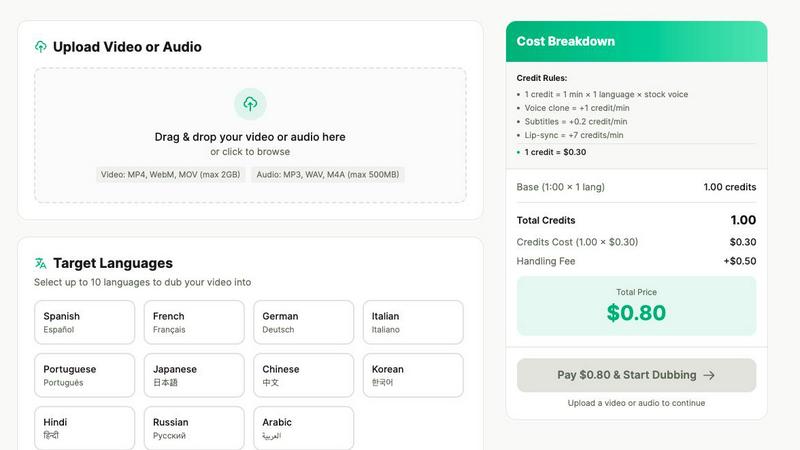
Dubvid allows you to translate and dub your video or audio content into over ten different languages from a single upload. You simply select your desired target languages from a list, and the platform's AI handles the translation and voice generation automatically. This feature is designed to maximize your potential audience reach by making your content accessible to viewers worldwide without creating separate videos for each language group.
Natural AI Voice Selection
The platform uses advanced text-to-speech technology to generate the dubbed audio. You can choose from a library of stock AI voices that are designed to sound natural, with appropriate tone, pacing, and emotional inflection. This ensures the translated dialogue does not sound robotic or disconnected, maintaining engagement and clarity for the viewer in the new language.
Optional Lip-Sync Technology
For videos where the speaker is visible, such as tutorials or talking-head presentations, Dubvid offers an optional premium lip-sync feature. This technology adjusts the timing and movement of the dubbed audio to better match the speaker's mouth movements on screen. This adds a significant layer of realism to the dubbed content, making it more professional and immersive for the audience.
Simple Credit-Based System
Dubvid operates on a transparent, pay-as-you-go pricing model using credits. One credit covers dubbing one minute of content into one language using a standard stock voice. Additional features like voice cloning, subtitles, and lip-sync cost extra credits per minute. This system is foundational because it allows users to pay only for what they use, with no subscriptions or long-term commitments, making professional dubbing financially accessible.
Vidgo API
Unified AI Model Marketplace
Vidgo API consolidates access to numerous top-tier AI models for image, video, and music generation into one dashboard. Instead of sourcing and integrating each model from separate providers, developers can browse and select from a curated marketplace featuring models like Sora 2 for video, Seedream 4.5 for images, and Suno v5 for music. This feature provides a central hub for discovery, comparison, and management of all AI media tools needed for a project, significantly reducing initial setup time and ongoing operational complexity.
Single, Consistent API Endpoint
The platform provides one standardized REST API for all its supported AI models. This means developers use the same authentication method, similar request structures, and uniform response formats regardless of whether they are generating a video, an image, or a music track. This consistency simplifies the codebase, makes it easier for teams to onboard new developers, and reduces the learning curve associated with switching between different AI technologies and their unique technical requirements.
Production-Grade Reliability and Performance
Built for real-world application deployment, Vidgo API emphasizes operational stability. It offers high system uptime, averaging 99.9%, and maintains low average response times to ensure applications remain responsive. The platform manages the underlying infrastructure, model updates, and scalability concerns, allowing development teams to rely on a stable throughput for their user-facing features without worrying about backend AI service degradation or unexpected downtime.
Transparent and Cost-Effective Pricing
A key differentiator for Vidgo API is its clear, per-request pricing model that is structured to be highly competitive. The platform highlights direct cost savings compared to other services, often showcasing discounts on popular models. This transparent approach allows developers and businesses to accurately forecast expenses based on their API usage, avoiding complex subscription tiers or hidden fees, and enabling more predictable budgeting for AI-powered features within their applications.
Use Cases
Dubvid
Content Creator Expansion
Individual creators on platforms like YouTube, Instagram, and TikTok can use Dubvid to dub their short-form videos, Reels, or Shorts into multiple languages. This directly multiplies their potential viewership and subscriber base by making content consumable for non-native speakers, leading to greater channel growth and audience engagement without recreating content from scratch.
Educational Course Localization
Educators and course creators can rapidly translate their lesson videos, tutorials, and webinars for students across the globe. By dubbing instructional content, they break down language barriers in learning, allowing them to sell courses to an international market and provide equal learning opportunities to a diverse, worldwide student body.
Business Support & Onboarding
Companies can localize their help center videos, product demos, and employee onboarding materials for different regional offices and customer bases. Providing support content in a user's native language reduces confusion, decreases support ticket volume, and improves the overall customer and employee experience, fostering better understanding and efficiency.
Podcast & Interview Accessibility
Podcasters and interviewers can repurpose their audio or video podcast episodes for new audiences by dubbing them into other languages. This allows them to expand their show's reach, attract international sponsors, and share conversations and ideas across cultural lines without the cost and effort of re-recording with multilingual hosts.
Vidgo API
Enhancing Content Creation Platforms
Blogging platforms, social media schedulers, and marketing tool suites can integrate Vidgo API to offer users automated media generation. For instance, a user writing a blog post could generate a custom header image directly within the platform, or a social media manager could create short promotional videos from text prompts. This adds significant value by turning text-based content into engaging multimedia without requiring users to have design or video editing skills.
Powering Creative Features in Apps
Mobile and web applications focused on creativity, storytelling, or education can embed AI media generation as a core feature. An app could allow users to create soundtracks for their personal videos, generate character images for interactive stories, or produce visual aids for presentations. Vidgo API provides the backend engine for these features, enabling app developers to focus on user experience rather than the intricacies of AI model deployment.
Streamlining Prototyping and Design
Product teams, advertising agencies, and film studios can use the API for rapid prototyping and concept visualization. Instead of waiting for lengthy manual asset creation, teams can quickly generate mood boards, storyboard sequences, or sample audio tracks to validate creative directions. This accelerates the iterative design process, allows for more concepts to be explored cost-effectively, and facilitates clearer communication of ideas before committing to final production.
Automating Marketing and Advertising Material
Businesses can leverage the API to automate the production of tailored marketing assets. This includes generating multiple versions of product images for A/B testing, creating personalized video ads for different customer segments, or producing background music for promotional content. Automation at this scale allows marketing teams to produce more dynamic, relevant, and timely content while optimizing production time and resource allocation.
Overview
About Dubvid
Dubvid is a fundamental tool for making video and audio content understandable to people who speak different languages. At its core, it is an AI-powered platform that takes your original video or audio file and translates the speech into a new language using a synthetic voice. This process is called dubbing. The primary goal of Dubvid is to remove the traditional, complex barriers of dubbing, which typically require hiring voice actors, booking studio time, and managing lengthy editing projects. Instead, Dubvid provides a straightforward, web-based solution where creators, educators, and businesses can upload their media, select a target language, and receive a dubbed version in minutes. Its main value proposition is accessibility and speed, enabling anyone to scale their message internationally without specialized skills or a large budget. By focusing on a simple, credit-based pricing model and offering features like optional lip-synchronization, Dubvid serves as a foundational bridge over language barriers for a global digital audience.
About Vidgo API
Vidgo API is a unified platform that provides developers and businesses with streamlined access to a wide array of world-class artificial intelligence models for generating media. At its core, it simplifies a complex technological landscape by offering a single, consistent REST API endpoint for creating videos, images, and music. This approach is designed for software developers, engineering teams, startups, and established organizations that want to integrate advanced AI media generation into their applications without managing multiple vendor relationships or complex infrastructure.
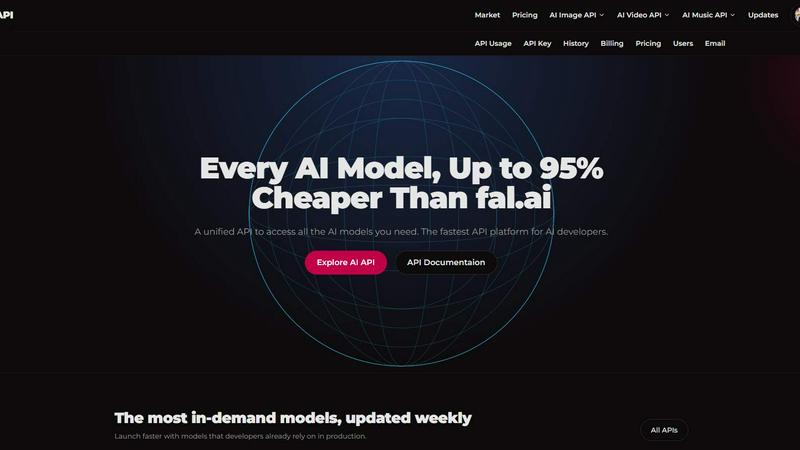
The primary value of Vidgo API is built on three foundational pillars: simplicity, cost-effectiveness, and reliability. It eliminates the lengthy approval processes and fragmented integrations common with individual AI model providers, allowing teams to start building in minutes. Financially, it offers significant savings, with costs reported to be 15-95% lower than some competing platforms. For production environments, it delivers the necessary stability with high uptime, consistent performance metrics, and comprehensive documentation. Essentially, Vidgo API acts as a centralized gateway, giving developers the tools to add sophisticated creative AI capabilities to their projects efficiently and predictably.
Frequently Asked Questions
Dubvid FAQ
How does the free trial work?
The free trial offers 2 credits with no credit card required. This allows you to dub up to 60 seconds of your content (e.g., 1 minute into 1 language, or 30 seconds into 2 languages) to test the quality of the translation, voice output, and overall platform workflow before committing any funds.
What file formats and sizes does Dubvid support?
Dubvid supports common video and audio formats for upload, including MP4, MOV, WebM for video, and MP3 and WAV for audio. The maximum file size for upload is 500 megabytes, which accommodates a significant amount of high-quality content for processing.
What is the difference between stock voice and voice clone?
A stock voice is a pre-made, high-quality AI voice provided by Dubvid's system that you can select for your dubbing. Voice clone is a premium feature where you can create a synthetic replica of your own or a specific person's voice, which is then used for the dubbing to maintain brand consistency or personal connection.
How is the final cost for a project calculated?
The cost is calculated based on the total credits used. You start with a base of 1 credit per minute of audio dubbed per language. You then add credits for any premium features: +1 credit/min for voice clone, +0.2 credits/min for subtitles, and +7 credits/min for lip-sync. The total credits are multiplied by $0.30 per credit, and a fixed $0.50 handling fee is added per job.
Vidgo API FAQ
How do I get started with the Vidgo API?
Getting started is a straightforward three-step process. First, you sign up for an account on the Vidgo API platform and instantly generate your unique API key; there is no waitlist or approval delay. Next, you browse the API marketplace to select the AI model that best fits your project needs, such as a video or image generation model. Finally, you integrate the API into your application using the comprehensive documentation provided, which includes code samples and guides for production-ready workflows.
What kind of AI models are available on Vidgo API?
Vidgo API provides access to a diverse and regularly updated selection of state-of-the-art AI models. This includes leading video generation models like OpenAI's Sora 2, Kling 2.6 for motion control, and Hailuo 02. For images, models like Google's Nano Banana Pro and ByteDance's Seedream 4.5 are available. It also offers advanced music generation through models like Suno v5. The marketplace is curated to include the most in-demand models that developers are already using in production environments.
How does the pricing compare to using AI models directly?
Vidgo API is structured to offer significant cost savings, often between 15% to 95% cheaper than using some alternative unified API platforms or sourcing models individually. The pricing is transparent and on a per-request basis for each model, which is detailed on the platform. This model can be more economical than managing separate billing accounts, infrastructure costs, and integration overhead for multiple standalone AI services from different providers.
Is the Vidgo API suitable for high-traffic, production applications?
Yes, Vidgo API is engineered specifically for production use. It boasts a 99.9% uptime service level agreement, low average response times, and stable throughput to handle high volumes of requests. The unified API structure ensures consistent performance, and the platform handles all backend scalability and model updates. This allows development teams to deploy AI features confidently to their end-users, knowing the underlying service is reliable and performant.
Alternatives
Dubvid Alternatives
Dubvid is an AI-powered tool in the content creation category, specifically designed for video and audio dubbing. It translates and recreates voices in multiple languages, aiming to simplify the process of making content globally accessible without traditional studio resources. Users often explore alternatives for various practical reasons. These can include budget constraints, as pricing models differ, or a need for specific features like support for more languages or different audio editing tools. Others might seek software that integrates better with their existing workflow or platforms they use. When evaluating different dubbing solutions, consider a few core aspects. Look at the quality and naturalness of the AI voices, the range of languages offered, and the overall ease of use. Also, assess the cost relative to your project volume and check for important capabilities like lip-sync adjustment or data security practices.
Vidgo API Alternatives
Vidgo API is a unified AI media generation platform that falls into the development tools category. It provides developers with a single REST API to access a diverse range of AI models for creating video, image, and music content, aiming to simplify and accelerate multimedia project development. Users often explore alternatives for several practical reasons. These can include budget constraints, as pricing structures vary widely, or specific feature needs that a different platform might address more directly. Some may require a different model selection, specialized support for a particular use case, or simply prefer a different user interface and integration workflow. When evaluating other options, it's wise to consider core factors. Key areas to compare include the total cost of access, the specific AI models and capabilities offered, the ease of API integration and quality of documentation, and the reliability and performance metrics of the service. Focusing on these foundational elements helps in making an informed decision that aligns with your project's technical and business requirements.