dmaya vs vaethat
Side-by-side comparison to help you choose the right product.

dmaya
dMaya is an AI design platform that enables teams to create, iterate, and export client-ready UI designs seamlessly and efficiently.
Last updated: April 13, 2026

vaethat
Vaethat is an AI tool that enhances architectural renders, improving detail and clarity effortlessly while preserving.
Last updated: February 26, 2026
Visual Comparison
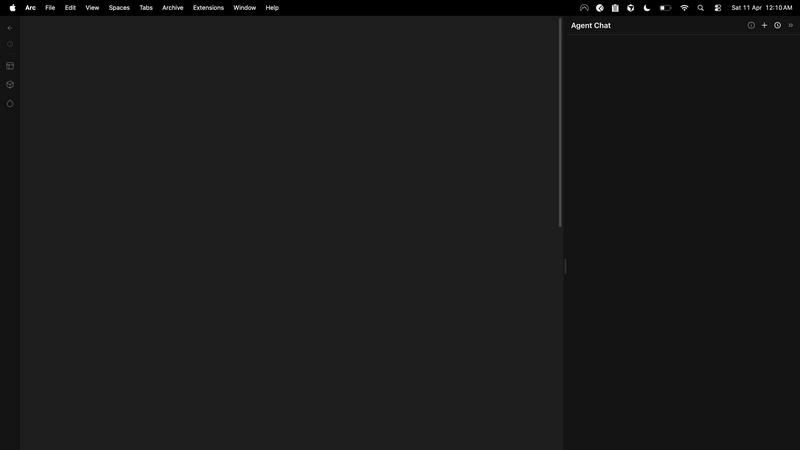
dmaya
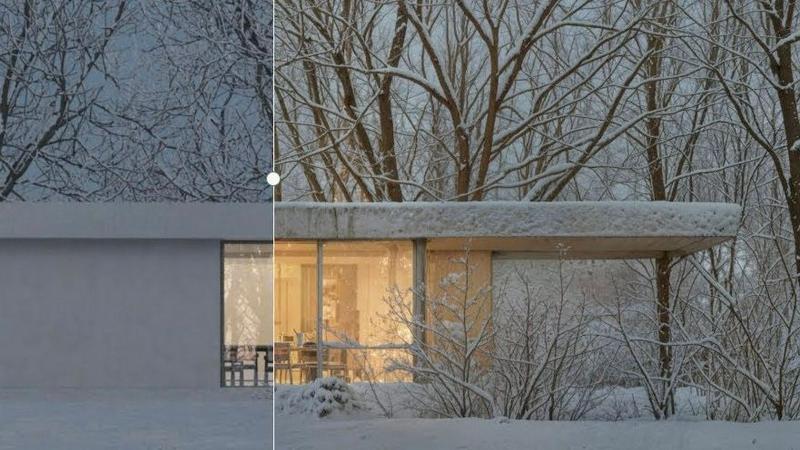
vaethat
Feature Comparison
dmaya
AI-Powered Design Generation
dMaya utilizes advanced AI technology to create production-ready UI designs based on straightforward text descriptions. Users can generate complete layouts and responsive design variants in seconds, eliminating the need for lengthy manual design processes.
Multi-Screen Canvas
The platform offers an infinite canvas that allows users to work on both desktop and mobile designs simultaneously. This feature enables designers to drag, zoom, and organize screens just like in traditional design tools while benefiting from AI assistance throughout the process.
Built for Teams & Collaboration
dMaya is designed for teamwork, allowing users to invite team members and clients to collaborate on projects in real-time. Role-based access ensures that everyone involved can contribute effectively while maintaining project organization and integrity.
Client Presentation Mode
With dMaya, users can share polished, interactive previews of their designs through a single link. This mode allows clients to review, leave feedback, and approve designs without needing an account, streamlining the feedback process significantly.
vaethat
AI Render Upscaling
Vaethat offers an advanced AI render upscaling feature that increases the resolution and sharpness of 3D architectural renders. This ensures that geometry remains clean and consistent, allowing for a higher fidelity representation of the original design.
Detail Refinement
The detail refinement feature enhances fine textures, edges, and small architectural elements in the render. This results in a crisper and more polished appearance, elevating the overall quality of the architectural visualization.
Material and Lighting Enhancement
Vaethat excels in improving the perceived realism of architectural images through material and lighting enhancement. By boosting material definition, contrast, and lighting balance, it enhances the visual depth and richness of the scene.
Noise and Artifact Cleanup
This feature focuses on reducing noise and common rendering artifacts that often detract from the quality of architectural images. By producing cleaner, presentation-ready images, Vaethat helps professionals showcase their work with confidence.
Use Cases
dmaya
Agencies
Agencies can leverage dMaya to pitch design concepts rapidly during discovery calls. By generating multiple design directions in a matter of hours, they can win more clients and effectively communicate their vision without lengthy back-and-forth.
Product Teams
For product teams, dMaya facilitates a faster transition from ideation to sign-off. By exploring various UI directions before investing in engineering resources, teams can ensure alignment across design, product, and engineering functions.
Freelancers
Freelancers benefit from dMaya by taking on more projects without extending their working hours. The platform allows them to deliver high-quality designs quickly, thus increasing their capacity to manage multiple clients effectively.
Startups
Startups can use dMaya to generate initial design concepts that resonate with their target audience. By iterating quickly based on feedback, they can refine their product's user experience and ensure a smoother launch.
vaethat
Architectural Presentations
Vaethat is ideal for creating high-quality architectural presentations. By enhancing 3D renders, professionals can produce visually stunning images that effectively communicate their design vision to clients and stakeholders.
Portfolio Development
Architects and designers can use Vaethat to refine their portfolios. The enhanced images generated by the AI tool help showcase their best work, attracting potential clients and demonstrating their capability in producing high-quality visualizations.
Marketing Materials
Vaethat is a valuable tool for producing marketing materials for architectural firms. Enhanced renders can be used in brochures, websites, and social media, allowing firms to present their projects in the best light and reach a wider audience.
Project Approvals
When seeking project approvals from clients or regulatory bodies, high-quality visualizations are essential. Vaethat enhances renders to ensure they are clear and compelling, making it easier for professionals to gain the necessary approvals for their architectural projects.
Overview
About dmaya
dMaya is a cutting-edge design platform tailored specifically for agencies, teams, and freelancers who prioritize design before diving into development. Unlike conventional AI tools that leap directly into code, dMaya emphasizes the design process, allowing users to generate professional-grade UI designs from simple text descriptions. Whether you need to outline a SaaS dashboard, an e-commerce flow, or a mobile app, dMaya can produce polished screens in mere seconds. The platform also facilitates seamless collaboration, enabling design iterations through a conversational AI interface that allows for instant adjustments. Clients can review and approve designs easily via shared links, drastically cutting down the review cycle from days to mere minutes. Once approved, dMaya allows for effortless export of designs as clean HTML, CSS, and JavaScript code, ready to be handed off to coding agents for implementation in various frameworks like React, Next.js, and Flutter. This unique approach empowers teams to present, approve, and ship their projects with confidence and efficiency.
About vaethat
Vaethat AI is a cutting-edge tool designed specifically for enhancing and upscaling 3D renders in the field of architectural visualization. This specialized AI technology is tailored for professionals in the architecture and design industries, providing a seamless solution to improve the clarity, sharpness, and overall realism of architectural images. Vaethat focuses on delivering high-quality enhancements without the complexities often associated with general AI tools. It enables users to maintain their design intent while significantly improving the visual quality of their projects. By allowing users to upload entire folders of renders at once, Vaethat streamlines the workflow for archviz professionals, making it easier to produce presentation-ready images that meet industry standards.
Frequently Asked Questions
dmaya FAQ
How does dMaya ensure design consistency?
dMaya employs design tokens, which automatically maintain consistency across all screens, ensuring that color schemes, typography, and layouts remain uniform throughout the design process.
Can I use dMaya for mobile app design?
Absolutely! dMaya is versatile and can be used to design mobile apps, e-commerce flows, and SaaS dashboards, making it suitable for a wide range of digital products.
Is there a limit to the number of designs I can create?
The platform is designed to support multiple projects simultaneously, allowing users to switch between designs without limitations, making it ideal for teams and freelancers managing several clients.
How do I export my designs once they are approved?
Once your designs receive client approval, you can easily export them as clean HTML, CSS, and JavaScript code, which can then be handed off to any coding agent for implementation in various frameworks.
vaethat FAQ
How does the AI render enhancer calculate credits?
The AI render enhancer calculates credits based on the number of images processed and the complexity of the enhancements applied. This system ensures that users only pay for what they use.
Can I use the archviz AI upscaler with V-Ray, Lumion, Enscape, 3ds Max, and SketchUp?
Yes, Vaethat is compatible with major architectural visualization software such as V-Ray, Lumion, Enscape, 3ds Max, and SketchUp, allowing for seamless integration into existing workflows.
What makes this AI post-production tool different from manual editing?
Unlike manual editing, which can be time-consuming and subjective, Vaethat automates the enhancement process using specialized AI trained on architectural visualization. This leads to consistent and high-quality results with minimal effort.
Can I cancel my subscription anytime?
Yes, Vaethat offers flexibility in subscription management, allowing users to cancel their subscription at any time without any hidden fees or long-term commitments.
Alternatives
dmaya Alternatives
dmaya is an AI vibe design platform specifically tailored for agencies, teams, and freelancers. It allows users to engage with an AI agent to create professional UI designs based on text descriptions, making the design process faster and more efficient. As a design tool, it stands out by integrating the design and coding stages, enabling teams to iterate quickly and align on visual decisions before development begins. Users often seek alternatives to dmaya for various reasons, including pricing, specific feature sets, or compatibility with their existing workflows. When searching for an alternative, it's essential to consider factors such as ease of use, the range of design capabilities, collaborative features, and how well the platform integrates with coding tools. A thorough understanding of these needs will help in selecting the right solution.
vaethat Alternatives
Vaethat is an AI-powered tool designed specifically for architectural visualization professionals. It excels in upscaling 3D renders, refining details, and enhancing clarity while ensuring that the original design intent is preserved. As a design tool, it plays a crucial role in producing high-quality architectural images that meet industry standards. Users often seek alternatives to vaethat for various reasons, including pricing constraints, the need for specific features, or compatibility with their existing platforms. When searching for an alternative, it's essential to consider factors like the quality of image enhancement, the user interface, and how well the tool integrates with other software used in architectural visualization. Ensuring that the alternative can meet both professional and project-specific needs is crucial for making an informed decision.