
Finsi OS vs qtrl.ai
Side-by-side comparison to help you choose the right product.

Finsi OS
Finsi OS is an AI operating system that helps e-commerce brands act on insights to increase customer lifetime value.
Last updated: February 27, 2026

qtrl.ai
qtrl.ai helps QA teams scale testing with AI agents while keeping full control and governance.
Visual Comparison
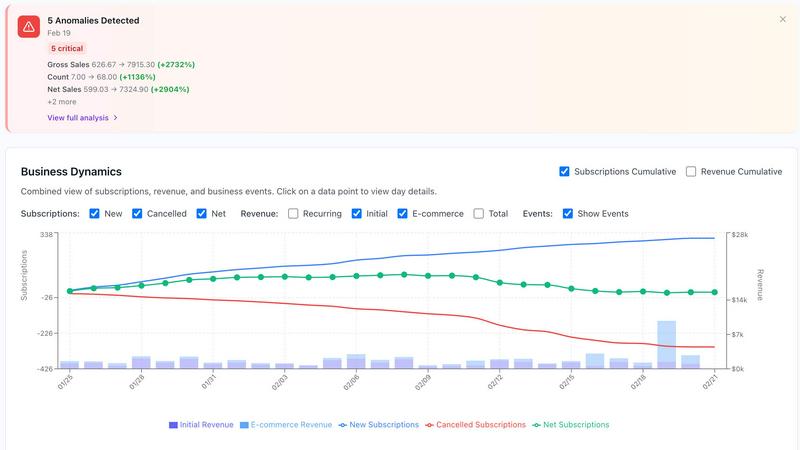
Finsi OS
qtrl.ai
Overview
About Finsi OS
Finsi OS is an AI operating system built specifically for direct-to-consumer (DTC) and e-commerce brands. It addresses a fundamental challenge in modern e-commerce: data chaos. Most businesses have their critical information scattered across platforms like Shopify, Recharge, Klaviyo, and various ad channels. This leads to teams spending excessive time manually pulling reports and reconciling numbers instead of taking strategic action. Finsi OS solves this by connecting to your entire tech stack, unifying the data, and moving beyond simple dashboards. Its core purpose is to surface clear, actionable insights and then help you execute on them, often automatically. The platform is designed for operators, marketers, and founders who want to move from reactive data hunting to proactive, insight-driven growth. It encapsulates over a decade of retention and scaling expertise from the team behind Scentbird, making it a foundational tool for brands of all sizes aiming to increase customer lifetime value (LTV), reduce churn, and improve overall profitability through intelligent automation.
About qtrl.ai
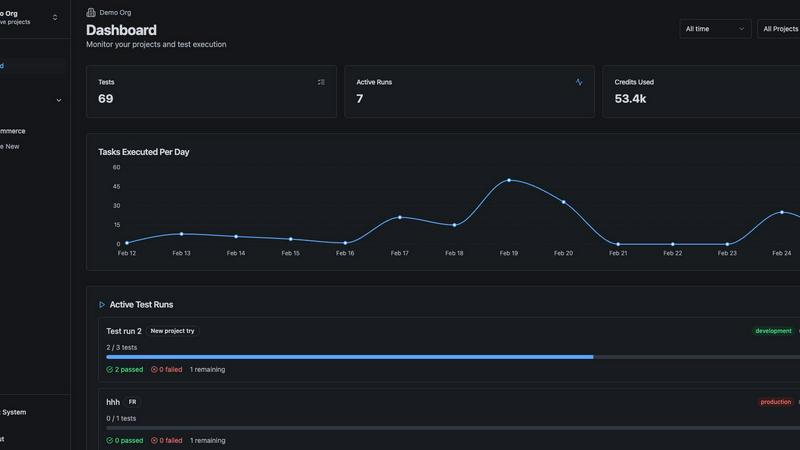
qtrl.ai is a modern QA platform designed to help software teams scale their quality assurance efforts without sacrificing control or governance. It uniquely combines enterprise-grade test management with powerful, trustworthy AI automation. At its core, qtrl provides a centralized hub where teams can organize test cases, plan test runs, trace requirements to coverage, and track quality metrics through real-time dashboards. This structured foundation ensures clear visibility into what's been tested, what's passing, and where potential risks lie for engineering leads and QA managers.
Where qtrl truly stands apart is its progressive AI layer. Instead of forcing a risky, "black-box" AI-first approach, qtrl introduces intelligent automation gradually. Teams can start with simple manual test management and, when ready, leverage built-in autonomous agents. These agents can generate UI tests from plain English descriptions, maintain them as the application evolves, and execute them at scale across multiple browsers and environments. This makes qtrl perfect for product-led engineering teams, QA groups moving beyond manual testing, companies modernizing legacy workflows, and enterprises that require strict compliance and audit trails. Ultimately, qtrl's mission is to bridge the gap between the slow pace of manual testing and the brittle complexity of traditional automation, offering a trusted path to faster, more intelligent quality assurance.