One More Shot AI vs Vidgo API
Side-by-side comparison to help you choose the right product.

One More Shot AI
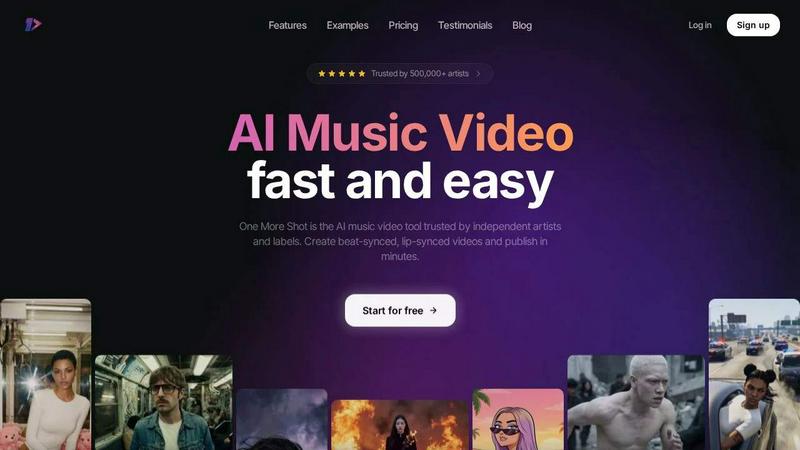
One More Shot AI transforms your songs into professional, lip-synced music videos in minutes, trusted by over 500,000 artists.
Last updated: April 4, 2026

Vidgo API
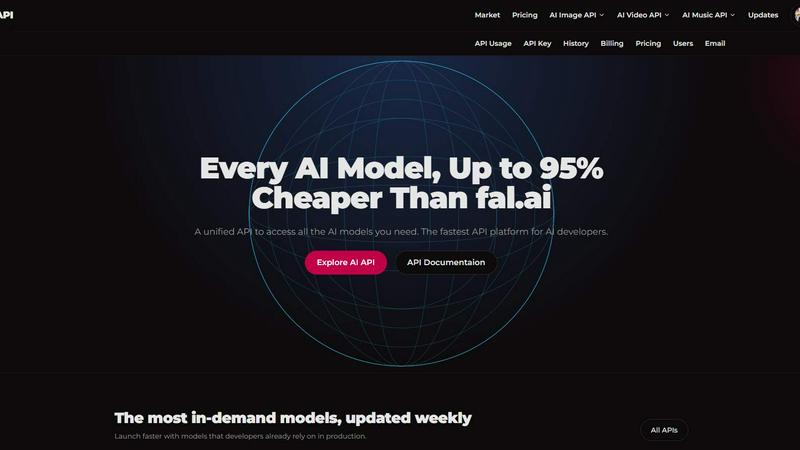
Vidgo API provides affordable access to all major AI models for developers to build faster.
Last updated: February 28, 2026
Visual Comparison
One More Shot AI
Vidgo API
Feature Comparison
One More Shot AI
AI Artist & Identity Consistency
This feature allows you to create a virtual artist or maintain a consistent character throughout your video. You can start with just a photo or a text description. The AI then uses this identity across all generated scenes, ensuring your artist or brand spokesperson is recognizable and coherent from shot to shot. This is fundamental for building a professional and trustworthy visual brand across all your music content, from social clips to full-length videos.
Auto Video Generation
Think of this as your AI production crew. In its simplest form, you input your song and a reference image or idea. The AI agents then take over, handling the complex tasks of scene creation, timing, and visual pacing to deliver a complete music video. This automated workflow is designed for speed and ease, providing a solid visual foundation that can be used as-is or as a starting point for more detailed customization.
Precise Project Editing Mode
For creators who want detailed control, Project Mode offers a back-to-basics, granular editing interface. You can build a video from scratch or deconstruct and modify an auto-generated one. This mode provides frame-by-frame and scene-by-scene control, allowing you to adjust visuals, timing, and transitions precisely to match your creative vision, much like a traditional video editor but built specifically for AI-generated music content.
Top-Tier AI Lip-Sync
A critical feature for believable music videos, this technology ensures the artist's mouth movements match the lyrics perfectly. The platform hosts advanced lip-syncing models that analyze the audio track to generate natural-looking singing and speaking scenes. This attention to a fundamental detail transforms still or AI-generated characters into convincing performers, greatly enhancing the professionalism and engagement of the final video.
Vidgo API
Unified AI Model Marketplace
Vidgo API consolidates access to numerous top-tier AI models for image, video, and music generation into one dashboard. Instead of sourcing and integrating each model from separate providers, developers can browse and select from a curated marketplace featuring models like Sora 2 for video, Seedream 4.5 for images, and Suno v5 for music. This feature provides a central hub for discovery, comparison, and management of all AI media tools needed for a project, significantly reducing initial setup time and ongoing operational complexity.
Single, Consistent API Endpoint
The platform provides one standardized REST API for all its supported AI models. This means developers use the same authentication method, similar request structures, and uniform response formats regardless of whether they are generating a video, an image, or a music track. This consistency simplifies the codebase, makes it easier for teams to onboard new developers, and reduces the learning curve associated with switching between different AI technologies and their unique technical requirements.
Production-Grade Reliability and Performance
Built for real-world application deployment, Vidgo API emphasizes operational stability. It offers high system uptime, averaging 99.9%, and maintains low average response times to ensure applications remain responsive. The platform manages the underlying infrastructure, model updates, and scalability concerns, allowing development teams to rely on a stable throughput for their user-facing features without worrying about backend AI service degradation or unexpected downtime.
Transparent and Cost-Effective Pricing
A key differentiator for Vidgo API is its clear, per-request pricing model that is structured to be highly competitive. The platform highlights direct cost savings compared to other services, often showcasing discounts on popular models. This transparent approach allows developers and businesses to accurately forecast expenses based on their API usage, avoiding complex subscription tiers or hidden fees, and enabling more predictable budgeting for AI-powered features within their applications.
Use Cases
One More Shot AI
Social Media Music Promotion
Artists can quickly turn a single track into multiple formatted clips for platforms like TikTok, Instagram Reels, and YouTube Shorts. By using the platform's support for vertical, horizontal, and square outputs, you can create tailored, beat-synced content for each channel. This consistent stream of visual content helps in promoting new releases, engaging fans, and growing an online audience without requiring daily video production efforts.
Full-Length Music Video Creation
Independent musicians and labels can produce complete, official music videos to publish on YouTube or Vevo. Using either the Auto Video feature for a quick foundation or Project Mode for detailed direction, artists can create a visual narrative for their song. This use case replaces the need for expensive filming sessions, location scouting, and large crews, making professional video assets accessible.
Lyric Video and Visualizer Production
Beyond narrative videos, the tool is excellent for generating dynamic lyric videos or abstract audio visualizers. By syncing visuals directly to the beat and structure of the instrumentals, creators can produce engaging content that highlights the music itself. This is useful for Spotify Canvas, website backgrounds, or visual content for live performances.
Branded Content for Music Marketers
Marketing professionals and labels can use the platform to create consistent visual branding for multiple artists or campaigns. The AI Artist feature ensures brand spokespeople or animated mascots appear uniformly across different videos. This is fundamental for building a cohesive visual identity, launching marketing campaigns, and producing high volumes of promotional material efficiently.
Vidgo API
Enhancing Content Creation Platforms
Blogging platforms, social media schedulers, and marketing tool suites can integrate Vidgo API to offer users automated media generation. For instance, a user writing a blog post could generate a custom header image directly within the platform, or a social media manager could create short promotional videos from text prompts. This adds significant value by turning text-based content into engaging multimedia without requiring users to have design or video editing skills.
Powering Creative Features in Apps
Mobile and web applications focused on creativity, storytelling, or education can embed AI media generation as a core feature. An app could allow users to create soundtracks for their personal videos, generate character images for interactive stories, or produce visual aids for presentations. Vidgo API provides the backend engine for these features, enabling app developers to focus on user experience rather than the intricacies of AI model deployment.
Streamlining Prototyping and Design
Product teams, advertising agencies, and film studios can use the API for rapid prototyping and concept visualization. Instead of waiting for lengthy manual asset creation, teams can quickly generate mood boards, storyboard sequences, or sample audio tracks to validate creative directions. This accelerates the iterative design process, allows for more concepts to be explored cost-effectively, and facilitates clearer communication of ideas before committing to final production.
Automating Marketing and Advertising Material
Businesses can leverage the API to automate the production of tailored marketing assets. This includes generating multiple versions of product images for A/B testing, creating personalized video ads for different customer segments, or producing background music for promotional content. Automation at this scale allows marketing teams to produce more dynamic, relevant, and timely content while optimizing production time and resource allocation.
Overview
About One More Shot AI
One More Shot AI is a foundational tool designed to transform audio tracks into complete, professional-looking music videos using artificial intelligence. At its core, the product serves musicians, independent artists, creators, and music marketers. Its primary purpose is to remove the traditional barriers of video production, such as high costs, complex equipment, and lengthy editing timelines. Instead, it provides a streamlined, accessible platform where a song can become a visual experience in minutes. The main value proposition lies in its combination of speed, creative flexibility, and specialized AI features tailored for music. By analyzing a song's rhythm, energy, and mood, the platform automatically generates beat-synced visuals. Users can choose between a simple, automated workflow for quick results or a detailed project mode for granular, scene-by-scene control. This makes it an essential tool for anyone needing to promote music on social media, build an artist brand, or simply bring a musical idea to life visually without a film crew.
About Vidgo API
Vidgo API is a unified platform that provides developers and businesses with streamlined access to a wide array of world-class artificial intelligence models for generating media. At its core, it simplifies a complex technological landscape by offering a single, consistent REST API endpoint for creating videos, images, and music. This approach is designed for software developers, engineering teams, startups, and established organizations that want to integrate advanced AI media generation into their applications without managing multiple vendor relationships or complex infrastructure.
The primary value of Vidgo API is built on three foundational pillars: simplicity, cost-effectiveness, and reliability. It eliminates the lengthy approval processes and fragmented integrations common with individual AI model providers, allowing teams to start building in minutes. Financially, it offers significant savings, with costs reported to be 15-95% lower than some competing platforms. For production environments, it delivers the necessary stability with high uptime, consistent performance metrics, and comprehensive documentation. Essentially, Vidgo API acts as a centralized gateway, giving developers the tools to add sophisticated creative AI capabilities to their projects efficiently and predictably.
Frequently Asked Questions
One More Shot AI FAQ
What do I need to start creating a video?
You need just two fundamental things: an audio file of your song (in formats like MP3 or WAV) and a starting idea. This idea can be a text prompt describing the video's theme, a reference image for the visual style, or a photo to define your AI artist's appearance. The platform guides you through the simple upload and input process to begin generation.
How does the lip-sync technology work?
The lip-sync feature uses specialized AI models that analyze the vocal track of your uploaded song. It detects phonetic sounds and timing from the audio to automatically animate the mouth of your chosen AI artist or character. The result is precise synchronization that makes it appear as though the character is genuinely singing or speaking the lyrics, a foundational element for realistic music videos.
Can I edit the videos after they are generated?
Yes, there are two main paths. You can use the auto-generated video as a final product. For more control, you can enter Project Mode. This mode allows you to edit the video at a granular level, letting you modify individual scenes, change visuals, adjust timing, add new shots, and fine-tune the sequence to perfectly match your creative direction.
What audio sources or music platforms does it work with?
One More Shot AI is designed to work with your own audio files. This includes music created in Digital Audio Workstations (DAWs) like FL Studio and Ableton, tracks exported from AI music generators like Suno and Udio, or songs you have the rights to from any other source. You simply upload your audio file to begin the video creation process.
Vidgo API FAQ
How do I get started with the Vidgo API?
Getting started is a straightforward three-step process. First, you sign up for an account on the Vidgo API platform and instantly generate your unique API key; there is no waitlist or approval delay. Next, you browse the API marketplace to select the AI model that best fits your project needs, such as a video or image generation model. Finally, you integrate the API into your application using the comprehensive documentation provided, which includes code samples and guides for production-ready workflows.
What kind of AI models are available on Vidgo API?
Vidgo API provides access to a diverse and regularly updated selection of state-of-the-art AI models. This includes leading video generation models like OpenAI's Sora 2, Kling 2.6 for motion control, and Hailuo 02. For images, models like Google's Nano Banana Pro and ByteDance's Seedream 4.5 are available. It also offers advanced music generation through models like Suno v5. The marketplace is curated to include the most in-demand models that developers are already using in production environments.
How does the pricing compare to using AI models directly?
Vidgo API is structured to offer significant cost savings, often between 15% to 95% cheaper than using some alternative unified API platforms or sourcing models individually. The pricing is transparent and on a per-request basis for each model, which is detailed on the platform. This model can be more economical than managing separate billing accounts, infrastructure costs, and integration overhead for multiple standalone AI services from different providers.
Is the Vidgo API suitable for high-traffic, production applications?
Yes, Vidgo API is engineered specifically for production use. It boasts a 99.9% uptime service level agreement, low average response times, and stable throughput to handle high volumes of requests. The unified API structure ensures consistent performance, and the platform handles all backend scalability and model updates. This allows development teams to deploy AI features confidently to their end-users, knowing the underlying service is reliable and performant.
Alternatives
One More Shot AI Alternatives
One More Shot AI is a tool in the content creation category, specifically designed to help musicians and artists generate AI-powered music videos. It simplifies the process by analyzing a song's rhythm and mood to produce synchronized visuals, offering a fast alternative to traditional video production. Users often explore other options for various reasons. These can include budget constraints, the need for different feature sets, or specific platform requirements like integration with other creative software. It's a normal part of finding the right tool for a unique creative workflow. When evaluating different solutions, consider a few key factors. Look at the core ability to sync visuals to audio beats, the level of creative control offered, and the output formats available for social media. The goal is to find a platform that balances ease of use with the quality and customization your music deserves.
Vidgo API Alternatives
Vidgo API is a unified AI media generation platform that falls into the development tools category. It provides developers with a single REST API to access a diverse range of AI models for creating video, image, and music content, aiming to simplify and accelerate multimedia project development. Users often explore alternatives for several practical reasons. These can include budget constraints, as pricing structures vary widely, or specific feature needs that a different platform might address more directly. Some may require a different model selection, specialized support for a particular use case, or simply prefer a different user interface and integration workflow. When evaluating other options, it's wise to consider core factors. Key areas to compare include the total cost of access, the specific AI models and capabilities offered, the ease of API integration and quality of documentation, and the reliability and performance metrics of the service. Focusing on these foundational elements helps in making an informed decision that aligns with your project's technical and business requirements.