
Blueberry vs CloudBurn
Side-by-side comparison to help you choose the right product.

Blueberry
Blueberry is a Mac app that seamlessly integrates your editor, terminal, and browser for efficient web app development.
Last updated: February 26, 2026

CloudBurn
CloudBurn automatically estimates AWS costs for pull requests, helping you avoid costly misconfigurations before.
Last updated: February 28, 2026
Visual Comparison
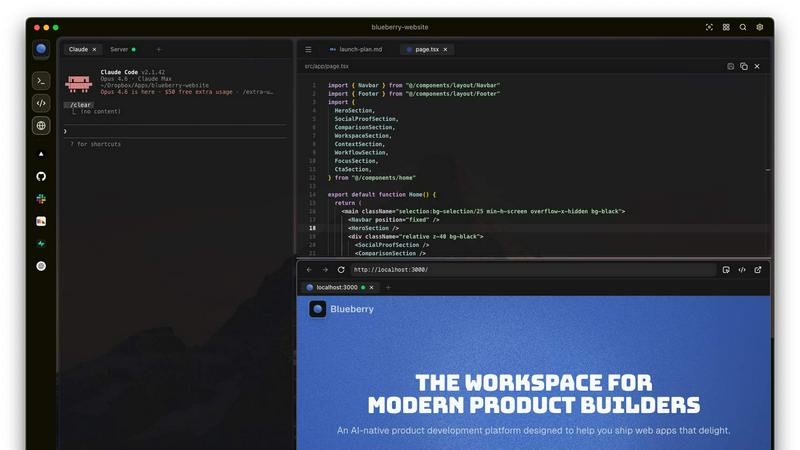
Blueberry
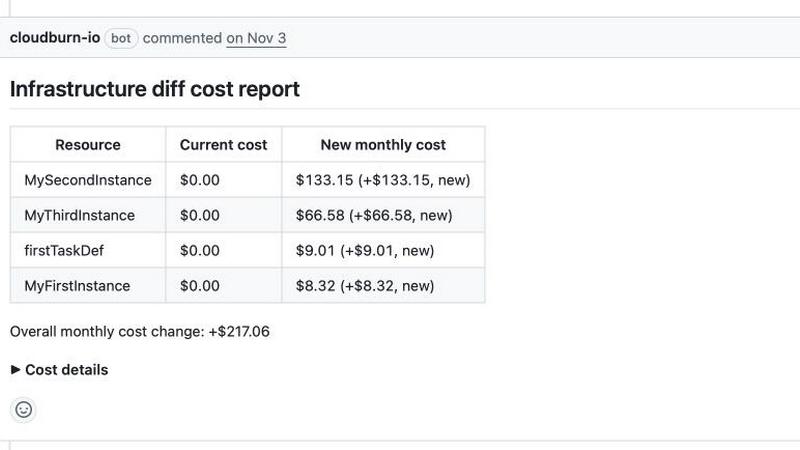
CloudBurn
Feature Comparison
Blueberry
Unified Workspace
Blueberry offers a unified workspace that combines a terminal, code editor, and browser, allowing users to work on their projects without switching between different applications. This integration helps maintain focus and minimizes distractions, making product development smoother and more efficient.
Live Context with AI
The built-in MCP server enables AI models like Claude and Codex to access your entire workspace in real time. This means the AI can understand your code and provide context-aware suggestions, improving your coding experience and making it easier to troubleshoot issues on the fly.
Pinned Apps
Blueberry allows users to dock essential tools like GitHub, Linear, Figma, and PostHog within the workspace. These pinned apps load alongside your project, providing live context to your AI and ensuring that all necessary resources are readily available without needing to navigate away from your work.
Multi-Device Preview
With built-in previews for desktop, tablet, and mobile, Blueberry lets users see how their applications will appear across various devices instantly. This feature ensures that developers can create responsive designs without switching contexts, streamlining the testing and iteration process.
About CloudBurn
Real-Time Cost Analysis
CloudBurn provides immediate cost analysis for infrastructure changes made in pull requests. This feature allows developers to see the exact financial implications of their modifications before they are deployed, paving the way for informed decision-making.
Automated Cost Reports
With CloudBurn, every pull request automatically generates a detailed cost report that breaks down the financial impact of proposed infrastructure changes. This automation ensures that teams are always aware of potential costs, eliminating surprises post-deployment.
Seamless GitHub Integration
CloudBurn integrates seamlessly with GitHub, making it easy for teams to incorporate cost management into their existing workflows. The installation process is straightforward, requiring minimal setup while enhancing the overall development experience.
Continuous Cost Monitoring
CloudBurn continuously updates its pricing data, ensuring that teams have access to the most current AWS pricing information. This feature enables developers to make decisions based on real-time costs, thus avoiding outdated estimates that could lead to budget overruns.
Use Cases
Blueberry
Enhanced Collaboration
Teams working on web applications can benefit from Blueberry's collaborative features. By having a shared workspace with integrated AI, team members can easily provide feedback and suggestions in real time, improving the overall quality of the product.
Rapid Prototyping
Developers can use Blueberry to quickly prototype new web applications. The combination of live coding, instant previews, and AI assistance allows for rapid iteration and testing, enabling teams to validate ideas faster than traditional methods.
Streamlined Debugging
When encountering issues in code, developers can leverage Blueberry's live context features. By running AI models in the terminal with access to the entire workspace, they can receive immediate assistance and insights to resolve bugs more efficiently.
Comprehensive Learning Tool
For new developers and those looking to enhance their skills, Blueberry serves as a comprehensive learning tool. With AI providing contextual help and real-time feedback on coding practices, users can learn more effectively while working on actual projects.
CloudBurn
Cost Control in Development
Development teams can leverage CloudBurn to maintain strict cost control throughout the development lifecycle. By analyzing cost implications during PR reviews, teams can prevent budget overruns before they occur.
Enhanced Collaboration
When teams use CloudBurn, collaboration around cost implications becomes easier. Developers can discuss the financial impact of changes in real time, fostering a culture of cost awareness and responsibility.
Optimizing Resource Usage
CloudBurn helps teams optimize their resource usage by highlighting the cost implications of different configurations. This insight allows teams to make adjustments that enhance performance while keeping expenses in check.
Risk Mitigation
By catching costly mistakes early in the development cycle, CloudBurn significantly mitigates the risk associated with deploying expensive infrastructure changes. Teams can confidently deploy knowing they have assessed the financial impact.
Overview
About Blueberry
Blueberry is a revolutionary macOS application designed for modern product builders who aim to create web applications with efficiency and clarity. By consolidating your code editor, terminal, and browser into a single focused workspace, Blueberry eliminates the frustration of juggling multiple windows and applications. This AI-native platform connects to models such as Claude, Gemini, and Codex through its built-in MCP server, allowing the AI to access live context from your files, terminal outputs, and previews concurrently. This seamless integration means you can ask questions and receive instant feedback on your code without the tedious process of copy-pasting context. With Blueberry, you can focus entirely on product development, creating a streamlined workflow that enhances productivity and fosters creativity. Designed for developers, designers, and product managers alike, Blueberry empowers teams to ship delightful web apps with ease.
About CloudBurn
CloudBurn is a specialized tool designed to enhance the efficiency of teams using Terraform or AWS Cloud Development Kit (CDK) for managing cloud infrastructure. Its primary aim is to avert expensive errors before they reach a production environment. Many organizations encounter unanticipated AWS charges weeks after deploying their infrastructure, often resulting from misconfigurations that could have been avoided. CloudBurn tackles this issue head-on by offering real-time cost visibility during the code review phase. When developers create a pull request (PR) that includes infrastructure modifications, CloudBurn swiftly analyzes these changes against current AWS pricing and delivers a comprehensive cost report. This feature empowers teams to engage in discussions about potential expenses and make necessary adjustments prior to deployment, effectively catching costly decisions early in the development lifecycle. By integrating effortlessly into existing GitHub workflows, CloudBurn ensures that cost management becomes an intrinsic part of the development process, ultimately leading to more informed decision-making and reduced financial risk.
Frequently Asked Questions
Blueberry FAQ
What operating system does Blueberry support?
Blueberry is designed specifically for macOS, ensuring compatibility and optimized performance for Mac users.
Is Blueberry really free during the beta phase?
Yes, Blueberry is available for free during its beta phase, allowing users to experience its features without any financial commitment.
How does Blueberry integrate with AI models?
Blueberry connects to various AI models like Claude, Gemini, and Codex through its MCP server, allowing the AI to interact with your project files, terminal outputs, and previews in real time.
Can I use Blueberry for collaborative projects?
Absolutely! Blueberry is designed for teamwork, enabling multiple users to work within the same workspace and leverage AI assistance for improved collaboration and productivity.
CloudBurn FAQ
How does CloudBurn integrate with GitHub?
CloudBurn integrates with GitHub by allowing users to install it directly from the GitHub Marketplace. Once installed, it can be configured to analyze pull requests for cost implications automatically.
What infrastructure-as-code tools does CloudBurn support?
CloudBurn supports both Terraform and AWS CDK. Users can choose the appropriate GitHub Action for their tool, ensuring a tailored experience for cost analysis based on their infrastructure management practices.
Can I try CloudBurn for free?
Yes, CloudBurn offers a free trial of its Pro features for 14 days. Users can explore the advanced capabilities without any upfront costs, and there is no credit card required to start.
What happens if I exceed my budget after deploying?
CloudBurn is designed to help prevent budget overruns before they occur. However, if misconfigurations lead to unexpected costs post-deployment, teams can use the insights from CloudBurn to identify and rectify the issues swiftly.
Alternatives
Blueberry Alternatives
Blueberry is a Mac application designed for developers, merging an editor, terminal, and browser into a single, focused workspace. This integration allows users to work seamlessly without the hassle of juggling multiple windows, enhancing productivity and efficiency in various development tasks. Users often seek alternatives to Blueberry for several reasons, including pricing considerations, specific feature requirements, or compatibility with different platforms. When exploring alternatives, it's essential to assess factors such as usability, integration capabilities, and support for various programming models, ensuring that the chosen tool aligns with individual workflow needs and preferences.
CloudBurn Alternatives
CloudBurn is a specialized tool that falls under the development category, particularly for teams using Terraform or AWS CDK to manage their cloud infrastructure. It focuses on providing automatic cost estimates for AWS resources during the code review process, helping teams avoid unexpected financial burdens that may arise from misconfigurations post-deployment. Users often seek alternatives to CloudBurn for various reasons, such as pricing concerns, specific feature requirements, or the need for compatibility with different platforms or workflows. When choosing an alternative, it is important to consider factors like the accuracy of cost estimates, ease of integration with existing development practices, and the overall user experience to ensure it meets the specific needs of the team.